Healthcare app security: protecting the patient and the data
Strengthen healthcare mobile application security against tampering, reverse engineering, and runtime threats. Protect sensitive patient data and maintain compliance with nultr.
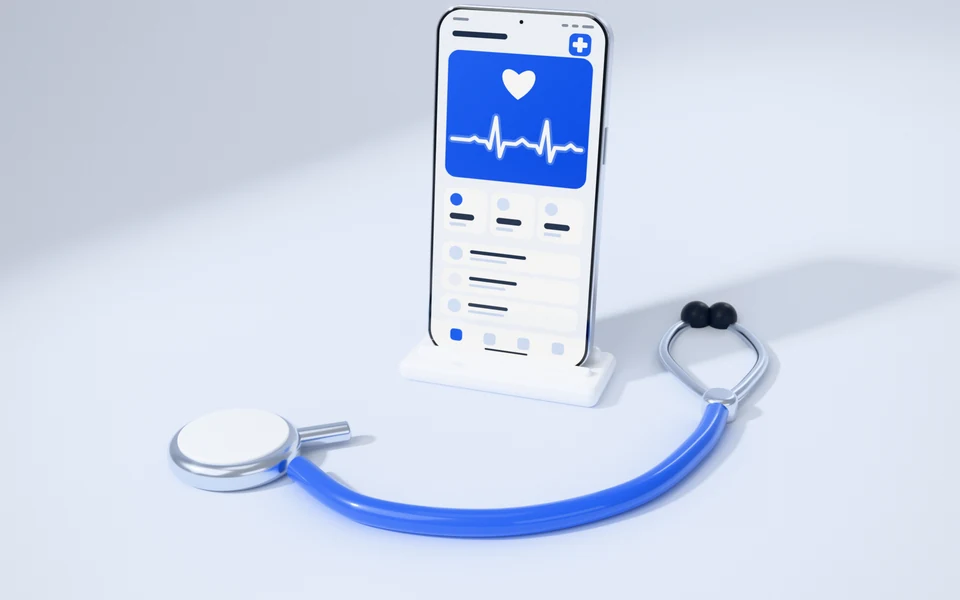
Protect mobile applications that handle sensitive workflows
Healthcare has gone through a massive digital shift. Patient portals, telemedicine platforms, connected medical device interfaces (IoMT), and digital therapeutics have put mobile apps at the center of modern patient care.
The shift brings real convenience and better outcomes, and it also brings risk on a scale healthcare has not seen before. Mobile healthcare (mHealth) apps handle some of the most sensitive, regulated, and valuable data in the world: Protected Health Information (PHI) and Personally Identifiable Information (PII).
When a retail app is breached, a user might lose a password. When a healthcare app is compromised, the fallout can include devastating identity theft, exposure of highly confidential medical histories, regulatory fines that can reach millions of dollars, and, for connected medical devices, direct risks to patient safety.
nultr helps healthcare organizations, hospital networks, and health-tech developers strengthen mobile application integrity, so sensitive data and essential healthcare workflows are protected against tampering, reverse engineering, and skilled runtime attacks.
The threats facing mobile healthcare
Mobile healthcare apps run outside the hospital network's secure perimeter, on consumer devices that may be outdated, infected with malware, or physically compromised. The security architecture has to assume the device itself is hostile.
The main threats targeting mHealth apps include:
1. Data exfiltration via reverse engineering
Healthcare apps talk constantly to backend Electronic Health Record (EHR) systems and secure cloud infrastructure. Attackers decompile unprotected apps to map those API endpoints, pull out hardcoded credentials or API keys, and study the app's business logic. They then use what they learn to run automated attacks against the provider's backend servers and exfiltrate patient records in bulk.
2. Runtime memory scraping
Even when data is encrypted in transit and at rest, it has to be decrypted in the device's memory (RAM) before the patient can see it, for example when viewing a lab result or a prescription. Attackers with compromised devices or dynamic instrumentation frameworks can scrape the app's memory while it runs and steal decrypted PHI before it is cleared from RAM.
3. Exploiting rooted and compromised devices
Many users run rooted Android devices, knowingly or not, and rooting strips away the operating system's built-in sandbox protections. When a healthcare app runs in a rooted environment, other malicious apps on the device can cross security boundaries to read its local storage, intercept its network traffic, or log the user's keystrokes.
4. Application cloning and phishing
Cybercriminals often build convincing clones of popular patient portal apps, load them with credential-harvesting malware, and spread them through phishing emails or text messages. When a patient logs into the clone, their credentials and access to their medical records go straight to the attacker.
5. Manipulation of connected medical devices
For apps that control or read data from connected medical devices (like insulin pumps or continuous glucose monitors), application integrity is a matter of physical safety. An attacker who reverse-engineers the app's communication protocols could potentially send unauthorized commands to the device.
Security built for the demands of healthcare
nultr is a defense-in-depth platform that protects the application artifact and its execution environment, in line with the strict security requirements of healthcare.
1. Shielding intellectual property and backend APIs
nultr's obfuscation turns the app's Dalvik bytecode and native libraries into a highly complex, mathematically entangled structure. We encrypt all strings, including API endpoints, backend URLs, and configuration keys, so attackers cannot easily decompile the app to find out how it talks to your sensitive EHR infrastructure.
2. Validating the execution environment (RASP)
With nultr's Runtime Application Self-Protection, the healthcare app can judge how safe the device it runs on is.
Root detection: nultr detects rooted devices and stealth frameworks like Magisk.
Anti-hooking: it actively blocks dynamic instrumentation tools (like Frida) that try to read patient data from memory.
Contextual response: when a threat is detected, the app can be set to shut down safely, clear sensitive data from memory, or restrict high-risk features (for example, letting the user view basic appointment info while blocking lab results on a rooted phone).
3. Enforcing application integrity
nultr injects active anti-tampering mechanisms into the app. If a fraudster modifies the app to bypass a security check or inject spyware, the app's cryptographic signature and internal checksums fail. The app refuses to run, which completely neutralizes the threat of malicious clones and repackaged apps.
4. Securing the chain of trust
With nultr's Signing Key Custody, the cryptographic keys that sign your healthcare app are never exposed to developers' laptops or vulnerable CI/CD environments. The keys are managed in a highly secure vault, so only builds you authorize are signed for release to patients.
Security without compromising the user experience
In healthcare, accessibility comes first. Patients have to be able to reach their care easily. Heavy-handed traditional security measures often frustrate users, which leads to poor app store reviews and lower patient engagement.
nultr is invisible to the legitimate user. Our platform plugs into your CI/CD pipeline, so protection is applied at the binary level during the build. Patients do not install extra security agents, jump through complicated authentication hoops, or put up with slower app performance. They get a smooth digital healthcare experience, protected by enterprise-grade, invisible armor.
Supporting regulatory compliance (HIPAA & GDPR)
Healthcare organizations face some of the strictest data privacy regulations in the world, including the Health Insurance Portability and Accountability Act (HIPAA) in the US and the General Data Protection Regulation (GDPR) in Europe.
A mobile security tool alone does not make an organization compliant, but it supplies the technical controls these frameworks require. nultr helps organizations demonstrate compliance by:
Enforcing technical safeguards to protect electronic PHI (ePHI) from unauthorized access or modification.
Providing auditable trails of application release security (via Signing Key Custody).
Implementing strong integrity controls to prevent the execution of tampered software.
See which nultr control supports which HIPAA technical safeguard, and what stays with your team, in our compliance mapping.
Protect the app, protect the patient
In digital healthcare, patient care rests on trust, and a mobile breach can destroy that trust for good. Make sure your mobile apps are as secure as the hospital systems they connect to.
Contact nultr to implement enterprise-grade protection for your mobile healthcare applications.
Related
Runtime Application Self-Protection (RASP) for Android
Detect runtime attacks, tampering, instrumentation and compromised environments in real time with nultr's runtime application self-protection (RASP) for Android.
ReadAndroid signing key custody
Protect Android application signing keys with controlled, auditable signing workflows. Reduce supply-chain risks with nultr's enterprise signing key custody.
ReadMobile app security CI/CD integration: automating DevSecOps for Android
Build enterprise-grade mobile app security into your CI/CD pipeline. nultr automates app hardening, RASP injection and secure signing.
Read